
October: What’s in Season
Berries
Open-pint strawberries are officially done for the season after colder, wetter weather brought the crop to an early close. Luckily, local strawberries from Coke Farms should continue for another 5–6 weeks, with Ichigo Farms strawberries arriving in a few weeks. This third-generation Japanese-American family farm specializes in high-end Japanese-style strawberries with incredible flavor.
Blueberries from Forbidden Fruit Orchards are here! Their coastal Lompoc microclimate allows them to produce fruit during the off-season, so expect a steady supply through early next year.
Cold, wet weather has also tightened organic raspberry and blackberry supplies. We’re offering conventional options in the meantime to keep these customer favorites available while the organic market recovers.
Fruit
Apple season is in full swing. Look for Ben Shogun Fuji, Gala, Sweetie, and Granny Smith apples from Cuyama, with Pink Ladies and Honeycrisps arriving soon. For something more unusual, keep an eye out for heirloom varieties from Devoto Gardens, including Strawberry Parfait, Pink Pearl, Mutsu, and Gravenstein. These limited varieties come and go quickly, so there’s always something new to discover.
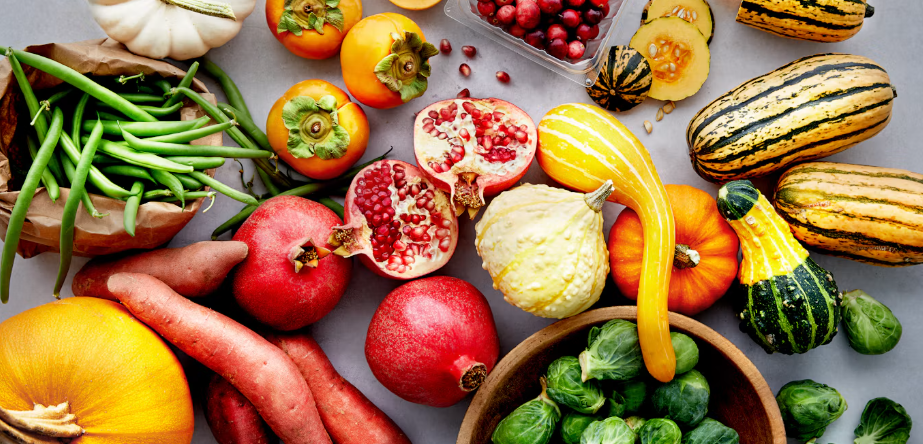
Pomegranates are now available from Cliff McFarlin Family Farms and Blossom Bluff, one of our favorite symbols of fall produce.
Chocolate persimmons have arrived! Their name comes from their dark, chocolate-colored flesh—not their flavor. They’re exceptionally sweet and complex, with notes of brown sugar, honey, nutmeg, and sweet pumpkin. Fuyus and Hachiyas will follow, including T-Stem Hachiyas from Blossom Bluff that are especially well suited to making hoshigaki, a traditional Japanese dried persimmon.
Local citrus is just around the corner, with Gold Nuggets and Navels typically leading the way.
We’ve reached the end of stone fruit season, with the final harvests coming from Cliff McFarlin Family Farms We saw a much earlier season this year compared to previous years. We’ll continue to have their plums and pluots through the end of the month..
Domestic grapes will run through October, with most coming from the San Joaquin Valley. They still have the crunch you crave, but late-season grapes often display different color hues. Green grapes will shift from solid green to amber, while red grapes will develop more "bloom," making them look almost black. Two standout varieties right now are the Autumn Royal and Crimson Seedless. Both are seedless and should be available through December, after which the market shifts to South American imports.
We’ve seen the last of the local fig season. Gauchito Hill Farm ended its main season a bit early this year, though we did enjoy an abundant volume during the peak crop. Whenever possible, we’ll continue souring figs from other parts of California.
Melon season will also be wrapping up in the next few weeks. We’ll see Full Belly Farm varieties slowly trickle off, but we will maintain the core three: watermelons, cantaloupes, and honeydews.
Veggies
California green beans have started back up from Terra Firma Farms. The local green bean season runs from May through November, with Mexican imports arriving (hopefully!) right around Thanksgiving.
We’re still seeing a steady supply of local zucchini from Terra Firma Farms, but other varieties of summer squash are quickly wrapping up. We’ll have a few cases here and there, but expect the last of them within the next week or so.
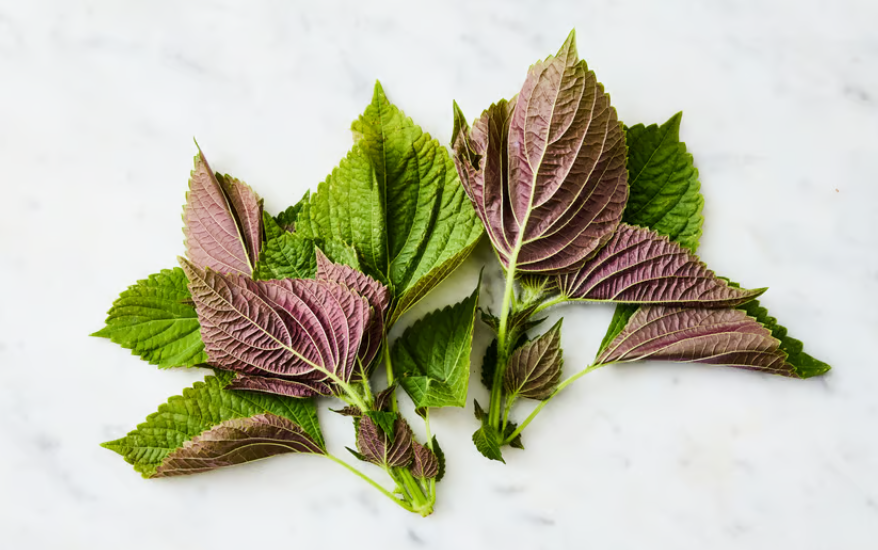
We’ve launched a few exciting new items, such as bunched shiso from FEED Sonoma. This highly sought-after Asian green is traditionally used to make umeboshi (pickled plums). It thrives in warmer temperatures, so we should have it for a few more weeks. Lakeside has also started growing purslane (verdolagas). Though often dismissed as a garden weed in the US, purslane is widely cherished across Mediterranean, Asian, Middle Eastern, and Latin American cuisines. Crisp, juicy, and slightly sour with a lemony finish, it is fantastic eaten raw in salads or cooked into a classic Mexican dish like verdolagas con carne de puerco.
Blue House Farm has been supplying us with Jimmy Nardellos, a beloved Italian sweet pepper. Despite a long, thin, and wrinkled appearance that closely resembles a fiery cayenne, these peppers have no heat and are widely considered to be some of the best frying peppers in the world.
The last of the season's corn is now coming from the Pacific Northwest. Unlike local and desert California corn, these arrive untrimmed. You’ll notice more wet silk due to the ice used to pack them for the journey south, as well as less attractive outer leaves. It's also common to find caterpillars in PNW corn. Don't worry, they’re completely harmless! Just chop the tops off and enjoy. We’ve also launched ultra-convenient 4-packs of trimmed and peeled corn.
Winter Squash
All Winter Squash varieties have landed at Good Eggs. Most customers know the three common ones; Butternut, Acorn and Spaghetti Squash, but have tried our other varieties?
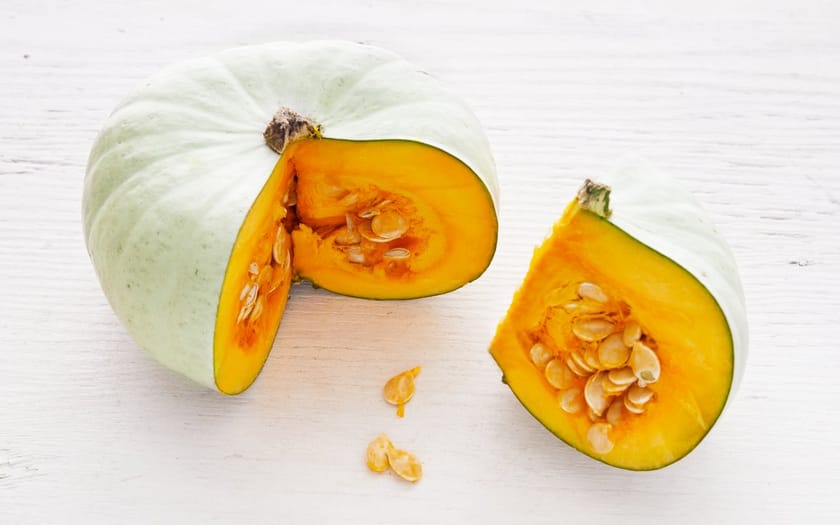
Blue Hokkaido: An heirloom variety prized for its sweet flavor, dense texture, and remarkable shelf life. Its vibrant golden-orange flesh has a low water content, meaning the flavor concentrates beautifully when cooked.
Buttercup: A dark green squash known for its squat, turban-like shape and intensely sweet, dense orange flesh. Both the Buttercup and Hokkaido offer a rich, nutty taste with delightful hints of chestnut and sweet potato.
Red Kabocha: A sweet, dense Japanese pumpkin recognized by its vibrant reddish-orange skin. Exceptionally sweet and nutty, it tends to be even sweeter and slightly lighter in texture than traditional green kabocha. These are just three of the ten different varieties of winter squash we currently carry.
Tomatoes
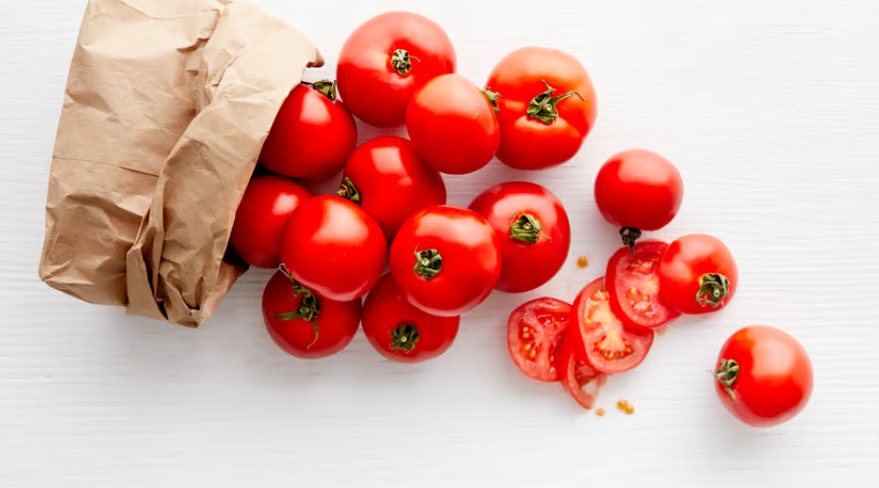
Sungold and mixed cherry tomatoes are still arriving from Oya Organics. Grab these while you can, as their season is coming to a close! Smaller farms have nearly finished harvesting local heirlooms, so we will gradually transition to Tutti Frutti Farms for our supply through the remainder of the year.
Dry Farmed Early Girl Tomatoes are undeniably a customer favorite. But what makes them so special? Young plants are watered normally until their root systems are established. After that, surface irrigation is completely shut off. Forced to seek water, the plants extend deep taproots seeking subterranean moisture. Deprived of excess surface water, the vines produce fruit with far less water volume and significantly higher concentrations of sugars and acids. Because of this low water content, the flavor is intense, rich, and incredibly sweet. They are absolute perfection sliced on toast or paired with fresh mozzarella and basil.
Mushrooms
Matsutake mushrooms have just arrived, and they are something everyone should try at least once in their life! These highly prized wild fungi are celebrated in Japanese cuisine for their dense texture and distinct spicy, cinnamon-pine aroma. They are best prepared simply in clear soups, rice dishes, or lightly grilled over charcoal. Matsutakes have very specific growing conditions, making them extremely limited. Because they cannot be commercially cultivated, we work closely with Wine Forest, who sources them responsibly from trusted foragers
Wild Chanterelles continue to be in abundant supply, we love tossing these into fresh pasta with some butter and parm.
Avocados
Step Ladder avocados will last a few more weeks. Once they finish up we’ll start up with Equal Exchange’s organic and fair trade program out of Michoacan, Mexico.
Tropicals
Passionfruit from Step Ladder will last just a few more weeks. Get ‘em while they’re tart!
California Keitt mangoes are unique, as they are the only domestically grown mangoes on the market. Unlike other varieties, Keitts tend to stay green when ripe and boast a wonderfully smooth, non-fibrous flesh. Because they are domestic, they aren't subjected to "hot dipping" a process used on imported mangoes to eliminate pests, which inadvertently cooks the outside skin and affects the fruit's flavor. Exempted from this treatment, Keitt mangoes preserve their natural firmness and sweet taste. Plus, without the need to travel overseas, they stay on the trees longer to develop amazing flavor and maximize their sugar content before harvest.
Flowers
Fresh local flowers have started to dwindle. We’ll begin seeing most vendors come on with dried bunches and wreaths. In the past we’ve sold dried bunches of flowers in a bouquet style but this year we’re exploring the idea of single varieties of dried flowers.